
Is the Low Season a Good Time to Trek Gorillas in Uganda? A Complete 2027–2028 Guide
Is the low season a good time to trek gorillas in Uganda? Absolutely! In fact, for travellers seeking fewer crowds, beautiful green landscapes, potentially lower safari costs and…

Is the low season a good time to trek gorillas in Uganda? Absolutely! In fact, for travellers seeking fewer crowds, beautiful green landscapes, potentially lower safari costs and a more peaceful rainforest experience, the low season can be one of the most rewarding times to visit Uganda’s mountain gorillas.
While many travellers prefer the relatively dry months of June to September and December to February, visiting Uganda during the wetter months offers its own advantages.
The forests of Bwindi Impenetrable National Park and Mgahinga Gorilla National Park become exceptionally lush, accommodation may be more affordable, and eligible visitors may benefit from discounted gorilla trekking permits during designated months.
However, low-season gorilla trekking also comes with challenges, including muddy trails, unpredictable rainfall and potentially more demanding hiking conditions.
At Gorilla Safaris & Chimpanzee Expeditions, we believe the best time to trek gorillas depends on your interests, budget, physical fitness and expectations.
In this guide, we explain everything you need to know about low-season gorilla trekking in Uganda in 2027–2028, including the best months to travel, permit prices, weather conditions, advantages, disadvantages and practical safari planning tips.
1. When Is the Low Season for Gorilla Trekking in Uganda?
Uganda experiences two main rainy seasons, although rainfall patterns vary between regions and from year to year.
The principal wetter periods are generally:
- March to May: The longer rainy season, with April and May often experiencing substantial rainfall.
- October to November: The shorter rainy season, with November frequently offering quieter tourism conditions.
The relatively drier periods, particularly June to September and December to February, are generally more popular for gorilla trekking.
It is important to understand that the tourism low season and official discounted permit months are not necessarily identical.
Uganda Gorilla Trekking Seasons at a Glance
| Travel period | Typical conditions | Safari experience |
|---|---|---|
| January–February | Relatively drier | Popular trekking months |
| March–May | Generally wetter | Lush forests, fewer visitors |
| June–September | Relatively drier | Peak travel period |
| October–November | Generally wetter | Quieter, green landscapes |
| December | Often relatively drier | Popular holiday period |
Rain can fall at any time in Bwindi or Mgahinga, even during the so-called dry season. Both parks are mountain forest environments where weather can change quickly.

2. Seven Reasons Why Low-Season Gorilla Trekking Can Be Worth It
1. Potential Savings on Gorilla Trekking Permits
Eligible visitors may benefit from discounted gorilla permits in April, May and November, depending on the applicable Uganda Wildlife Authority tariff and booking conditions.
2. Better Accommodation Value
Some lodges offer seasonal promotions or more competitive rates during quieter months, allowing travellers to enjoy a higher accommodation standard within their budget.
3. Beautiful Green Rainforest Scenery
Rainfall creates vibrant vegetation, mist-covered valleys and spectacular forest landscapes, particularly attractive to nature lovers and photographers.
4. A Quieter Safari Atmosphere
With fewer tourists visiting during some low-season periods, lodges and other safari attractions may feel more relaxed. Gorilla trekking group sizes, however, remain controlled by park regulations.
5. Excellent Gorilla Viewing Opportunities
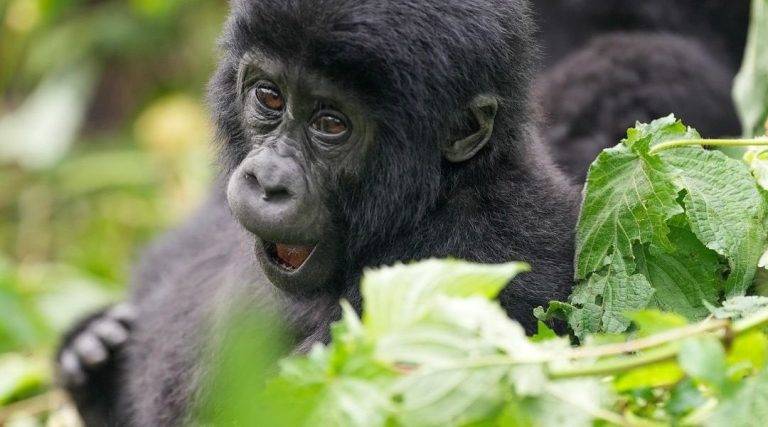
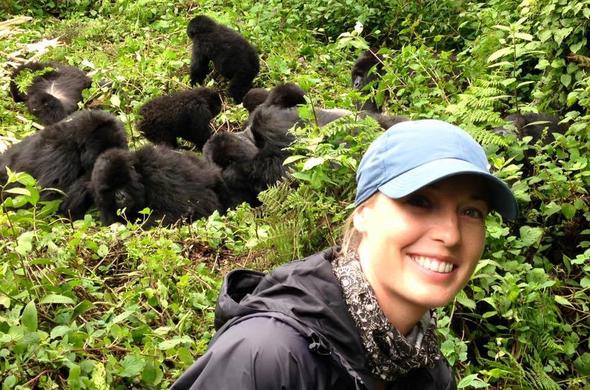
Mountain gorillas remain in their forest habitats throughout the year. The rainy season does not prevent visitors from enjoying remarkable encounters with habituated gorilla families.
6. Opportunities to Combine Primate Experiences
Low-season travellers can combine gorilla trekking with chimpanzee tracking in Kibale, golden monkey tracking in Mgahinga or wildlife safaris in Queen Elizabeth National Park.
7. A More Atmospheric Forest Experience
Mist drifting through the rainforest, fresh vegetation, and the sounds of the forest after rainfall can make low-season trekking particularly memorable.
3. How Much Can You Save on a Low-Season Gorilla Safari in 2027–2028?
One of the biggest attractions of low-season gorilla trekking is the opportunity to reduce your safari expenses.
Under the Uganda Wildlife Authority’s discounted permit arrangements introduced in 2026, eligible foreign non-resident visitors can save US$200 per gorilla trekking permit during April, May and November. trip.ug+1
| Visitor category | Standard permit | Low-season permit |
|---|---|---|
| Foreign Non-Residents | US$800 | US$600 |
| Foreign Residents | US$700 | US$500 |
For a couple travelling together, that represents a potential saving of US$400 on gorilla permits alone. A group of four could save US$800.
The discounted permit arrangement is subject to UWA confirmation for the actual travel dates, particularly in 2028. Low-season permits also carry restrictions on rescheduling.
Accommodation discounts, where available, can provide additional savings, although these vary by lodge and are not guaranteed.
4. What Are the Disadvantages of Gorilla Trekking During the Rainy Season?
Despite its advantages, low-season gorilla trekking is not necessarily the best choice for every traveller.
Muddy and slippery forest trails
Bwindi is a mountainous rainforest with steep slopes, dense vegetation and uneven terrain.
During the rainy season, trails can become muddy and slippery, making trekking more physically demanding.
Unpredictable rainfall
Rain showers may occur before, during or after your gorilla encounter. While trekking normally continues in wet weather, severe conditions may affect operations.
More challenging photography
Low light, rain and dense vegetation can make wildlife photography more demanding. Waterproof camera protection and equipment suitable for forest conditions are particularly helpful.
Slower road transfers
Heavy rainfall can affect unpaved access roads, especially in remote areas. Allowing sufficient transfer time is important.
Less flexibility with discounted permits
UWA’s low-season permit notice states that discounted permits cannot be rescheduled. Travellers should therefore confirm their plans before purchasing. Uganda & Rwanda 2026
At Gorilla Safaris & Chimpanzee Expeditions, we recommend considering these factors before choosing your travel dates rather than selecting the low season purely because of the lower price.

5. Is Gorilla Trekking More Difficult During the Low Season?
Gorilla trekking can be physically demanding at any time of year, but wet conditions may make the experience more challenging.
The length of your trek depends on the location and movements of the gorilla family, the terrain and the route taken by the ranger-guides.
Some treks are relatively short, while others may involve several hours of hiking through steep forest.
During the rainy season, visitors should be prepared for slippery slopes, wet vegetation and muddy footpaths.
We particularly recommend hiring a local porter if you would appreciate assistance with your daypack or additional support on difficult sections. Porter services also provide valuable employment opportunities for communities around the parks.
Our advice: If you have significant mobility limitations or are concerned about strenuous hiking, discuss your needs with your safari planner before booking. Rangers can consider fitness levels when allocating groups, but an easy trek cannot be guaranteed.
6. Which Is Better for Low-Season Gorilla Trekking: Bwindi or Mgahinga?
Both parks offer authentic mountain gorilla encounters, but their landscapes and trekking environments differ.

Bwindi Impenetrable National Park
Bwindi offers multiple gorilla trekking sectors, a broad selection of lodges and excellent opportunities to combine gorilla trekking with other Uganda safari destinations.
Its dense vegetation and steep forest terrain can become particularly slippery during heavy rainfall.

Mgahinga Gorilla National Park
Mgahinga offers dramatic volcanic scenery and opportunities to combine gorilla trekking with golden monkey tracking.
Its mountainous terrain can also be challenging in wet weather, and gorilla permit availability must be confirmed.
For most travellers, we recommend choosing between the two parks based on permit availability, accommodation preferences, travel routes and overall safari interests rather than assuming that one park will always be easier during the rainy season.
7. Is Low-Season Gorilla Trekking Good for Wildlife Photography?
For photographers who appreciate atmospheric forest landscapes, the low season can be especially appealing.
Rainfall brings out the deep greens of the rainforest, while mist and diffused light can create beautiful photographic conditions.
The contrast between a mountain gorilla’s dark fur and the vibrant surrounding vegetation can produce striking wildlife images.
However, the dense forest canopy may limit available light, and rainfall can make it more difficult to protect equipment.
We recommend carrying a rain cover, spare batteries, suitable lens-cleaning materials and a camera capable of performing well in low-light conditions.
Importantly, flash photography is prohibited during gorilla trekking.
8. Can You Combine Low-Season Gorilla Trekking With Chimpanzee Tracking?
Yes, and this is one of the experiences we particularly recommend at Gorilla Safaris & Chimpanzee Expeditions.
Uganda offers an exceptional opportunity to encounter both mountain gorillas and chimpanzees in their natural habitats.
A well-planned itinerary can include gorilla trekking in Bwindi, chimpanzee tracking in Kibale Forest National Park and wildlife viewing in Queen Elizabeth National Park.
Under the low-season permit arrangements introduced by UWA, foreign non-residents may also qualify for a discounted chimpanzee tracking permit of US$200, subject to the applicable tariff and booking conditions.
This creates an opportunity to save on two major primate activities during the same safari.
However, chimpanzee tracking can also be more challenging in wet weather, and the animals’ movements and forest conditions influence the experience.
For travellers combining several parks, we recommend a carefully paced itinerary with enough time for road transfers and weather-related delays.
9. What Should You Pack for Low-Season Gorilla Trekking?
Preparing for wet forest conditions can make a considerable difference to your comfort.
We recommend bringing:
- Waterproof hiking boots with good ankle support and grip.
- A lightweight waterproof rain jacket.
- Long-sleeved shirts and durable hiking trousers.
- Gardening or trekking gloves for protection against vegetation.
- Gaiters to help keep mud and water out of your boots.
- A small waterproof daypack or rain cover.
- Drinking water and energy snacks.
- Insect repellent and sunscreen.
- A walking stick, often available at the trekking briefing point.
- Waterproof protection for cameras and electronic devices.
Avoid relying on ordinary trainers or smooth-soled footwear, particularly during April, May and November.
10. Who Should Consider Low-Season Gorilla Trekking?
Low-season gorilla trekking can be an excellent option for budget-conscious travellers, nature photographers, repeat visitors and anyone who prefers quieter tourism periods.
It is particularly appealing to travellers who are flexible with their dates and comfortable with the possibility of rain.
However, those who strongly prefer drier hiking conditions, have mobility challenges or need a tightly scheduled itinerary may find the relatively dry months more suitable.
The best decision depends on your individual expectations rather than the season alone.
11. Frequently Asked Questions About Low-Season Gorilla Trekking
Can you see mountain gorillas during the rainy season?
Yes. Gorilla trekking operates throughout the year, subject to park conditions. Mountain gorillas remain in their forest habitats during both wet and dry seasons.
Which months offer discounted gorilla permits in Uganda?
April, May and November are the designated discounted months under the UWA arrangement introduced in 2026. Confirm that the offer applies to your specific 2027 or 2028 trekking date before booking.
Is April a good month for gorilla trekking in Uganda?
April can be a good choice for travellers seeking lower costs and lush scenery, provided they are prepared for substantial rainfall and muddy trails.
Is May better than April for gorilla trekking?
May may offer improving weather towards the end of the month in some years, but conditions vary. Neither month guarantees dry trekking trails.
Is November a good time to visit Bwindi?
November can be rewarding for visitors who enjoy green landscapes and quieter travel periods. Rainfall remains an important consideration.
Are gorilla encounters shorter during the rainy season?
No. The standard permitted observation time remains up to one hour once the gorilla family is located.
Do fewer tourists mean more time with the gorillas?
No. The permitted viewing duration remains the same regardless of visitor numbers.
Can I reschedule a discounted gorilla permit?
UWA’s published low-season arrangement prohibits rescheduling discounted permits. Confirm all applicable conditions before paying.
Learn more on why Low season Discounted permits can not be rescheduled.
12. Our Recommendation: Is the Low Season Worth It?
For many travellers, yes, the low season is an excellent time to trek gorillas in Uganda.
The possibility of discounted permits, more competitive lodge rates, fewer visitors and beautiful rainforest scenery makes April, May and November particularly attractive.
However, we would not recommend choosing the low season solely to save money if you are uncomfortable with challenging hiking conditions or unpredictable rainfall.
At Gorilla Safaris & Chimpanzee Expeditions, we help travellers weigh the advantages and disadvantages before selecting their preferred dates.
Whether you choose the green season or the relatively dry months, encountering mountain gorillas in their natural habitat remains one of Africa’s most extraordinary wildlife experiences.
Let's Plan Your African Adventure
Have questions about Is the Low Season a Good Time to Trek Gorillas in Uganda? A Complete 2027–2028 Guide ? Our team is here to help you plan an unforgettable African safari with personalised advice and expert guidance.