
UGANDA TRAVEL SAFETY GUIDES 2027-2028
Planning a safari, gorilla trek, chimpanzee experience, or birding adventure in Uganda in 2027? Uganda Travel safety guide 2027 offers diverse wildlife, forests, lakes, mountains, and cultural experiences,…
Planning a safari, gorilla trek, chimpanzee experience, or birding adventure in Uganda in 2027? Uganda Travel safety guide 2027 offers diverse wildlife, forests, lakes, mountains, and cultural experiences, but visitors should understand current health, transport, security, and border considerations before booking. Uganda remains a welcoming destination for structured safaris in 2027, though travelers must exercise heightened vigilance due to existing advisory warnings and regional health considerations.
This Uganda Travel Safety Guide 2027 provides practical information to help international tourists prepare responsibly. Ebola and Health Safety in Uganda
Ebola was an important health consideration earlier in 2026. However, the situation has changed.
On 27 August 2026, WHO and Africa CDC announced that Uganda’s Ebola outbreak had ended after the country completed the required 42-day period without a new confirmed case. Uganda had recorded 20 confirmed cases during the outbreak.
Nevertheless, travellers should continue following current health guidance. The CDC currently advises travellers to Uganda to practise enhanced precautions related to the recent Bundibugyo virus situation and recommends consulting a healthcare professional before travel.So before traveling one should take the following important.
- Check the latest health advice shortly before departure.
- Speak with a travel-health professional.
- Keep up to date with routine vaccinations.
- Discuss malaria prevention with your doctor.
- Carry appropriate personal medication.
- Practise regular hand hygiene.
- Avoid close contact with people who are visibly ill.
Gorilla Trekking Safety
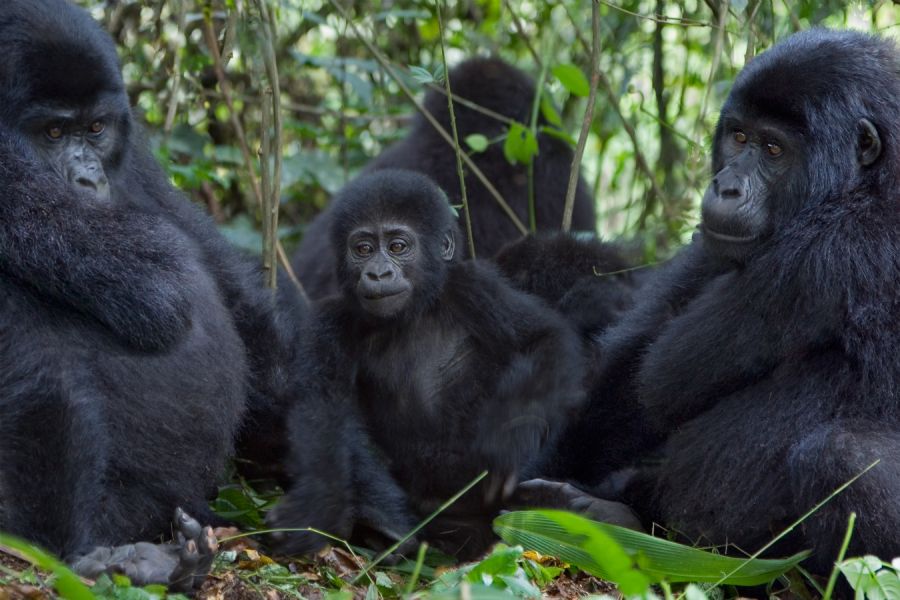
Uganda’s Bwindi Impenetrable National Park and Mgahinga Gorilla National Park are major attractions for gorilla trekking.
Because these parks are close to the DRC and Rwanda borders, visitors should use reputable operators and follow instructions from Uganda Wildlife Authority (UWA) and local security personnel. UK travel guidance notes that security personnel routinely accompany tourists on gorilla-tracking visits in this area.
For a safe gorilla trek:
- Follow your ranger’s instructions.
- Maintain the required distance from gorillas.
- Do not trek when sick.
- Wear suitable hiking shoes.
- Carry drinking water and basic rain protection.
- Inform your guide about medical or mobility concerns.
- Avoid any itinerary that crosses into DRC.
Road and Transportation Safety
Road travel deserves particular attention. Official U.S. guidance advises caution with night travel, particularly outside cities, and notes that rural roads can be difficult. It also recommends using reliable transportation and experienced drivers for safari travel.
For a Uganda safari, consider:
Choose a reputable safari vehicle:
A well-maintained 4×4 is particularly useful for national parks and rural roads.
Avoid unnecessary night driving:
Plan long journeys during daylight where possible.
Use an experienced driver-guide:
A professional driver familiar with Uganda’s roads and national parks can help manage changing road conditions.
Wear seatbelts:
Every passenger should use a seatbelt whenever available.
Wildlife Safety
Uganda’s wildlife experiences are a major reason travellers visit the country. However, wild animals should always be treated as wild animals.
Whether visiting Queen Elizabeth National Park, Murchison Falls, Kibale Forest, Bwindi or another protected area:
- Never approach animals without your guide’s permission.
- Never feed wildlife.
- Remain inside the safari vehicle when instructed.
- Do not make unnecessary noise around animals.
- Follow park regulations.
- Keep food securely stored at camps and lodges.
- Do not touch wild animals.
For gorilla and chimpanzee trekking, follow the instructions of your ranger throughout the experience.
5. Malaria and Mosquito Protection
Malaria remains an important health consideration for travellers to Uganda. CDC guidance recommends that travellers discuss malaria prevention medication with a healthcare professional before travelling.
Pack:
- Insect repellent
- Long-sleeved shirts
- Long trousers
- Appropriate sleeping protection
- Any prescribed malaria medication
Your doctor or travel-health clinic can advise which preventive medicine is appropriate for you.
6. Food and Drinking Water
Visitors should take sensible precautions with food and water.
Use sealed bottled water or appropriately treated water, particularly when travelling outside major hotels and urban areas. Wash your hands regularly and choose food that has been properly cooked and served hot.
CDC guidance also recommends careful food and water practices during travel in Uganda.
7. Security and Personal Belongings
Petty theft and more serious crime can occur, particularly in busy urban areas. Official guidance recommends remaining aware of your surroundings, avoiding displaying expensive valuables, and taking extra care around ATMs and crowded places.
Simple precautions include:
- Keep your passport secure.
- Carry only the cash you need.
- Avoid displaying expensive jewellery.
- Keep your phone secure in crowded areas.
- Use reputable accommodation.
- Keep emergency contacts available.
- Tell someone at home about your itinerary.
8. Areas Near the DRC Border
Travellers should pay particular attention to current security advice when visiting western Uganda near the DRC border.
Current UK guidance highlights security risks around parts of the Uganda-DRC border and advises travellers visiting Bwindi and Mgahinga to use reputable registered tour operators and obtain current information from UWA.
This does not mean that every tourist destination in Uganda has the same level of risk. Conditions vary considerably by location, which is why itineraries should be checked shortly before departure.
9. Uganda Visa and Entry Requirements
Tourists should arrange their immigration documents before travelling.
Uganda’s immigration authorities state that people travelling for tourism should apply for a visa online through the official immigration system. Applicants may need documents including a passport copy, photograph and yellow-fever vaccination certificate.
Travellers visiting Uganda, Kenya and Rwanda can also consider the East African Tourist Visa, which Uganda Immigration states is valid for tourism for 90 days and costs USD 100.
Always check the official immigration requirements before booking flights because requirements can change.
10. Travel Insurance Is Important
Travel insurance should cover the activities included in your itinerary.
For a Uganda safari, consider insurance that covers:
- Medical treatment
- Emergency evacuation
- Trip cancellation
- Lost luggage
- Delays
- Adventure activities included in your itinerary
This is particularly relevant for remote safari destinations where access to advanced medical facilities may take longer.
Uganda Safari Safety Checklist for 2027
Before travelling, make sure you:
☑ Check the latest Uganda travel advisory
☑ Check current health information
☑ Confirm visa requirements
☑ Carry your yellow-fever certificate where required
☑ Purchase suitable travel insurance
☑ Arrange reliable airport transfers
☑ Book with a reputable tour operator
☑ Use a reliable safari vehicle and experienced driver
☑ Carry insect repellent and suitable clothing
☑ Avoid unnecessary night travel
☑ Follow wildlife and ranger instructions
☑ Keep copies of important travel documents
☑ Check regional security conditions before visiting border areas
Let's Plan Your African Adventure
Have questions about UGANDA TRAVEL SAFETY GUIDES 2027-2028 ? Our team is here to help you plan an unforgettable African safari with personalised advice and expert guidance.