
Why Kibale Forest is Africa’s Best Place to Track Chimpanzees
Why Kibale Forest is Africa’s Best Chimpanzee Tracking. Tucked away in the verdant highlands of western Uganda, Kibale National Park stands as one of Africa’s most extraordinary wildlife…
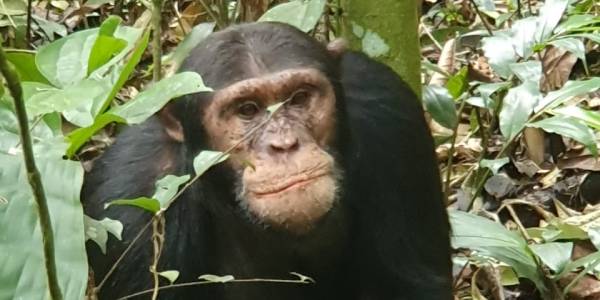
Why Kibale Forest is Africa’s Best Chimpanzee Tracking. Tucked away in the verdant highlands of western Uganda, Kibale National Park stands as one of Africa’s most extraordinary wildlife sanctuaries — and the undisputed champion of chimpanzee tracking experiences on the continent.
With the highest density of primates anywhere in the world and a lush montane forest that feels as ancient as time itself, Kibale offers travelers something that no other destination can quite replicate: an intimate, immersive, and genuinely awe-inspiring encounter with our closest living relatives. If you are planning a Uganda safari, this is the one experience you simply cannot miss.
Primates walk (Chimpanzee tracking)
The most favourite of Kibale’s walks embarks on from the Kanyanchu Visitor center at 08.00 & 15.00 and lasts 2 to 3 hours. Chimpanzee are the most sought after primate by visitors, but you should look out for the black & white colobus, red tailed monkey or the grey cheeked mangabey. Your guides will be able to show you pittas & different bird species and will give details of the tradit of the plant species within the forest. This walk is for 6 people in a group. Advance booking is all-important especially during peak sea.
What’s So Special about Kibale Forest ?
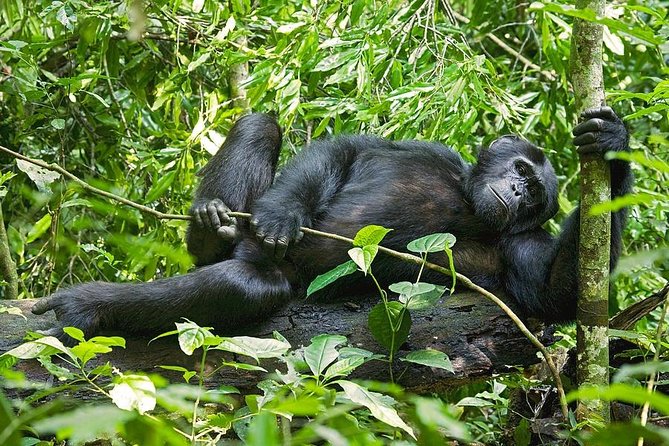
Kibale National Park covers approximately 795 square kilometres of tropical rainforest, woodland, and swamp in the Kabarole and Kamwenge districts of western Uganda. Established as a national park in 1993, it protects one of the most biodiverse ecosystems in East Africa. But it is the primates that steal the show. The park is home to 13 primate species, including red-tailed monkeys, L’Hoest’s monkeys, olive baboons, grey-cheeked mangabeys, and the undisputed stars — an estimated 1,500 wild chimpanzees.
The park is ranked to be the best destination for chimpanzee trekking in Uganda and besides meeting the chimpanzees, you will also get to see other primates including the different types of monkeys like the colobus monkeys, red-tailed monkeys, a wide variety of bird species (400) and other wildlife.
No other forest in Africa offers this concentration of habituated chimpanzees accessible to visitors. The Uganda Wildlife Authority, which manages Kibale and all of Uganda’s national parks, has invested decades into the habituation process, ensuring that the chimpanzee communities visitors encounter are relaxed, natural, and entirely wild. This commitment to responsible wildlife tourism sets Kibale apart from any competing destination. Explore our dedicated Kibale Forest tour packages to see what a full visit looks like.
Cost of the chimpanzee trekking permit in Kibale forest
The cost of a Chimpanzee trekking permit in Uganda varies according to the season. There are two seasons that are the peak season (the dry season) and the low season (the wet season) and they both see a variety of tourists come for chimpanzee trekking. During the peak/high season, a chimpanzee trek permit goes for $1500 per day per person and during the low season, the cost of the permit can go as low as $100 per person per day in Kibaale forest National Park. The cost of a chimpanzee permit in Budongo goes for $90 during both the peak and low season and in the Kyambura gorge, the permit goes for $50.
Chimpanzee Tracking Experience in Kibale
Every morning at dawn, small groups of visitors gather at the Kanyanchu Visitor Centre, the main entry point for chimpanzee tracking in Kibale. After a briefing from your Uganda Wildlife Authority ranger guide, you set off into the forest. The air is thick with humidity, birdsong, and the occasional distant hoot of chimpanzees filtering through the canopy.
Unlike some wildlife encounters that feel staged or disappointing, chimpanzee tracking in Kibale is raw and real. You may walk for 20 minutes or two hours — nature sets the schedule. When you do find the chimps, you are allowed one full hour in their presence, watching them forage, groom each other, play, and vocalize with their legendary, hair-raising calls. Standing in a forest clearing while a group of 30 or 40 chimpanzees goes about their daily lives around you is a genuinely transformative experience that few things in life can match.
Permits must be booked well in advance, particularly during the peak seasons of June–August and December–February. At Gorilla Safaris Chimpanzee Tours, we handle all permit logistics as part of our Uganda wildlife tours, so you never have to worry about missing out.
What to pack for a chimp trek in Kibale Forest
One may need to know what to carry on a safari because excess luggage for the safari can make it hard for you to enjoy the safari with the extra luggage being carried around. You need to make sure that you carry what is considered essential when it comes to chimpanzee trekking and these include the following:
- Insect repellent
- Waterproof hiking boots
- Bottled drinking water
- Long-sleeved shirts and trousers to avoid scratches on your body.
- A walking stick to ease trekking
- Camera and binoculars
- A small backpack to carry a few essentials like cameras and extra batteries while trekking.
- A sun hat and sunscreen.
Trekking rules and regulations in kibale Forest
There are rules and guidelines that you need to follow in order to have a good chimp trekking experience. These were set up by the Uganda wildlife Authority to protect both the primates and the visitors. Some of the regulations that you must follow include the following:
- You are not allowed to trek in case you feel sick, especially with flu and cough
- You are to keep a distance of 8 meters between you and the chimps
- You should always follow all the guidelines that are given to you by the tour guides
- No one is allowed to feed the chimps
- Visitors are not allowed to eat or drink near the chimpanzees.
- Do not urinate and poop in the park as this might cause the animals to fall sick. In case you want to poop, you must dig a hole of about 30cm deep and after that bury everything including the toilet paper.
- The minimum age for chimp trekking in Uganda is 15 years.
- The only people who can help you gain access to the Park for trekking are the tour guides
- Make sure that the camera you are using does not have a flashlight
- Do not make noise while trekking because this irritates the chimps and they end up migrating to another place.
Best Time For Kibale Chimpanzee Trek
The best time to visit Kibale for chimpanzee tracking is during the dry seasons — June to August and December to February — when forest trails are at their most accessible. That said, Kibale can be visited year-round. The wet seasons bring lush, luminous greenery and fewer crowds, and the chimpanzees remain active and trackable throughout.
Chimpanzee tracking permits are issued by the Uganda Wildlife Authority and are limited per day to protect the welfare of the animals. They sell out months in advance during peak season. Our team at Gorilla Safaris Chimpanzee Tours secures permits as part of every booking, eliminating the stress of last-minute availability. Whether you are travelling solo, as a couple, or in a group, we tailor every detail around your schedule, fitness level, and interests.
Ready to meet the chimps? Contact our team today and let us build your perfect Kibale Forest experience. You can also learn more about us and why travelers across the world trust Kenlink Tours as their Uganda safari specialists.
Kibale As a world-class birding destination
Kibale is not just about primates. It is also a world-class birding destination, sheltering over 375 recorded bird species, including 6 Albertine Rift endemics. The African pitta, green-breasted pitta, black bee-eater, and the rare Nahan’s francolin are just a few of the jewels awaiting patient observers. Early mornings in the forest are a symphony of calls and color.
Our dedicated bird watching Uganda tours include specialist guides with decades of experience in the Kibale ecosystem. Whether you are a passionate lister or simply someone who appreciates the beauty of tropical birds, the forest will exceed your expectations. According to the IUCN Red List, several of Kibale’s resident species are globally threatened, making responsible birdwatching in protected areas like this one a meaningful conservation act.
Let's Plan Your African Adventure
Have questions about Why Kibale Forest is Africa’s Best Place to Track Chimpanzees ? Our team is here to help you plan an unforgettable African safari with personalised advice and expert guidance.